
Dental Clinic Geneva: Complete Guide 2026
Geneva has one of the densest concentrations of dental specialists in the world. With more than 450 practising dentists for roughly 500,000 residents in the canton, and a patient base that includes the UN, WHO, WTO and CERN, the city’s clinics operate at a very high standard — and at very Swiss prices. This guide explains what services you will find, what they cost in CHF in 2026, how LAMal and complementary insurance actually work, and how to choose a clinic if you are an expat, a diplomat, a cross-border worker or a long-term Genevan resident.
1. The Geneva Dental Landscape
Geneva sits at the crossroads of French-speaking Switzerland, France and the international community. As of 2026 the canton counts more than 450 licensed dentists, roughly one for every 1,100 inhabitants — one of the highest densities in Europe. They range from single-practitioner cabinets in Eaux-Vives and Plainpalais to large multi-specialist clinics on Rue du Rhone, the Quai des Bergues, and around the international district in Grand-Saconnex.
Three factors shape the market. First, the Swiss Dental Association (SSO) sets professional standards and the Dentotar tariff. Second, the presence of international organisations drives demand for multilingual, expat-friendly care. Third, Geneva’s wealthy patient base sustains a cluster of high-end aesthetic and implant clinics using the same materials you would find in Zurich, London or Beverly Hills.
The result is a two-tier experience for patients. On one hand, competition keeps quality high and clinics invest heavily in 3D imaging, intra-oral scanners, CAD/CAM milling and sedation options. On the other hand, the absence of dental cover under basic Swiss health insurance means every patient is essentially a private payer — and prices need to be understood before any treatment begins.
2. Services You Will Find in a Geneva Dental Clinic
A full-service dental clinic in Geneva will typically cover six families of treatment under one roof. Smaller cabinets refer out to specialists; larger clinics keep everything in house with an on-site laboratory for same-day restorations.
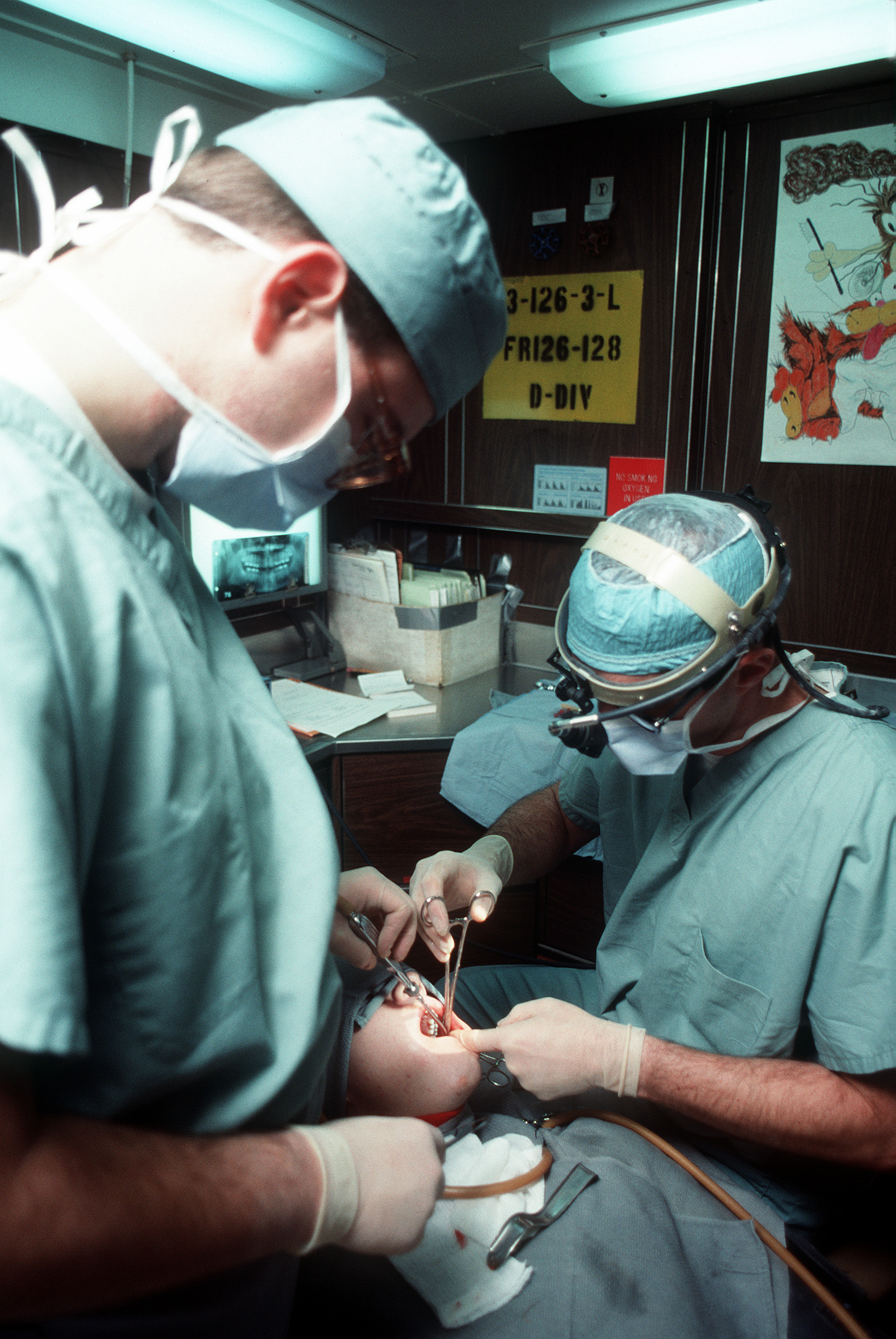
- General dentistry: consultations, digital X-rays, composite fillings, tooth extractions, night guards for bruxism.
- Preventive hygiene: scaling, polishing, air-flow cleaning, fluoride and sealant applications, oral-cancer screening.
- Cosmetic dentistry: professional whitening (Zoom, laser, chairside or take-home trays), porcelain veneers, bonding, gum contouring, smile design.
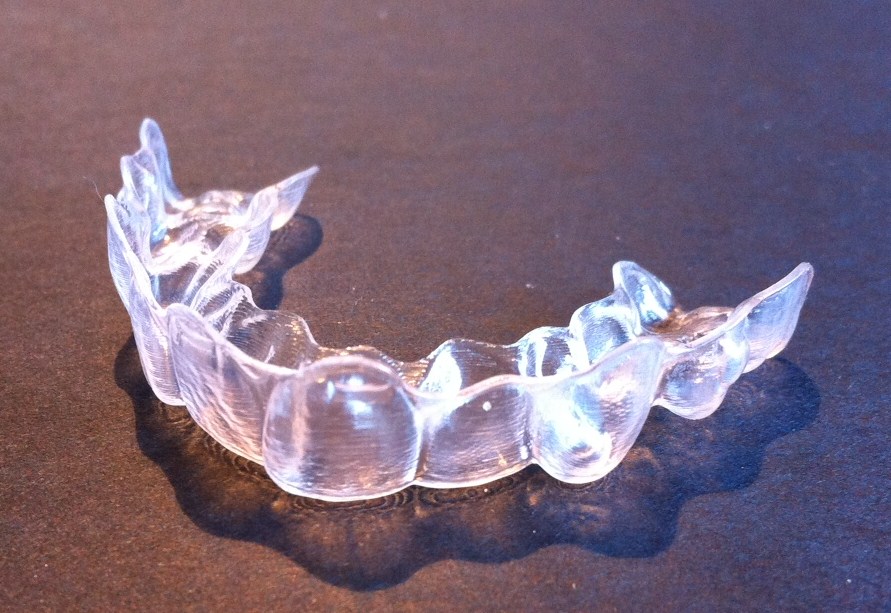
- Orthodontics: fixed braces, lingual braces, and clear aligner systems including Invisalign, Spark and Smilers.
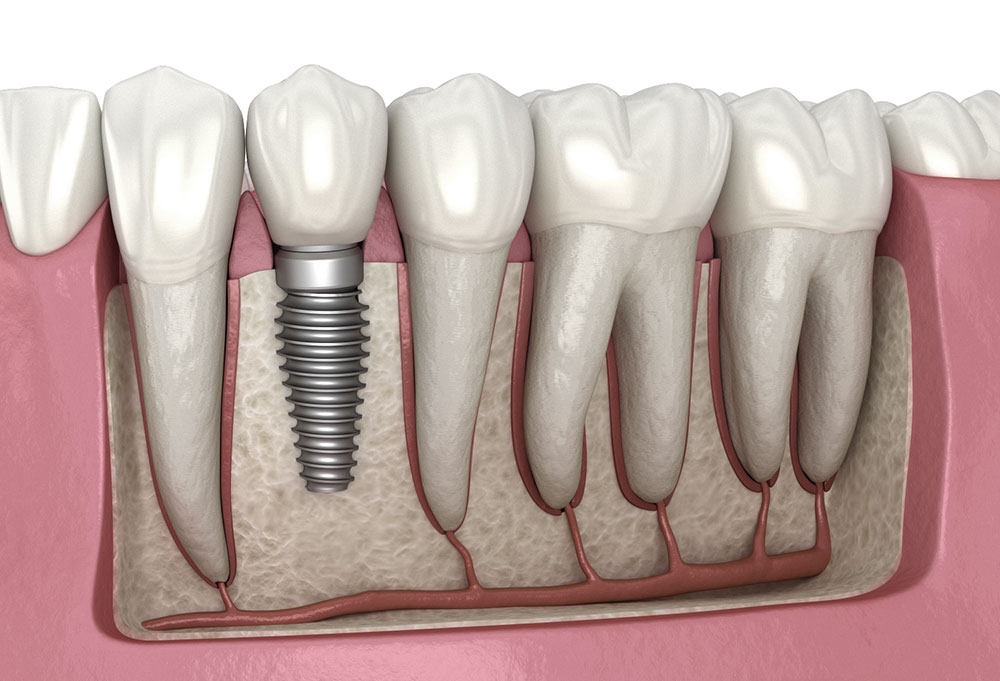
- Implantology and oral surgery: single and multiple implants, All-on-4/All-on-6 full-arch rehabilitations, sinus lifts, bone grafts, wisdom tooth extraction.
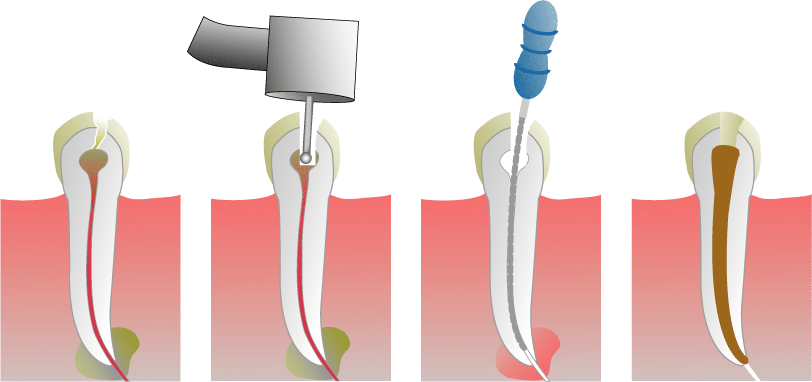
- Endodontics and prosthetics: root canal treatment, re-treatments, ceramic crowns, bridges, inlays, onlays and full or partial dentures.
- Pediatric dentistry: tailored care for children from age 2, preventive programmes, interceptive orthodontics, sedation options for anxious children.
- Emergency care: same-day appointments for pain, broken teeth, abscesses and lost restorations — offered 7/7 by a small number of clinics in the city.
What genuinely distinguishes a premium Geneva clinic is not the list of services but the depth of specialisation: an endodontist dedicated to root canals, a periodontist for gum disease, an oral surgeon for implants, an orthodontist for alignment, and a pediatric dentist for children — all under one roof, with shared records and a single treatment plan.
3. Real Prices in CHF (2026)
Swiss dental fees are not arbitrary. They are calculated from the Dentotar tariff, a point-based system maintained by the SSO. Each procedure has a number of tariff points; the clinic sets a point value (usually CHF 1.00 to CHF 1.20 in Geneva, depending on the practice). The final bill is points × point value. For any treatment over CHF 800, a written estimate (devis) is legally required and must be signed by the patient before work begins.
Here are indicative 2026 prices in Geneva, based on published fee schedules from several clinics on Rue du Rhone, in Champel and in Meyrin. Your own case may fall outside these ranges; use them to sanity-check any quote.
| Treatment | Typical Geneva price (CHF 2026) | Notes |
|---|---|---|
| First consultation | From CHF 300 | Exam + panoramic X-ray |
| Professional hygiene / cleaning | From CHF 300 | 30 to 60 minutes with a hygienist |
| Composite filling (1 surface) | CHF 300 – 350 | Larger cavities proportionally more |
| Root canal (molar) | CHF 800 – 1,800 | Depends on number of canals |
| Ceramic crown (per tooth) | CHF 1,500 – 2,200 | Includes lab work and fitting |
| Porcelain veneer (per tooth) | CHF 1,200 – 2,000 | Minimal prep, custom shade |
| Dental implant + crown (single tooth) | CHF 2,500 – 4,500 | Straumann, Nobel Biocare, etc. |
| Professional in-office whitening | CHF 500 – 800 | 1 session, both arches |
| Invisalign (full course) | CHF 4,500 – 9,500 | From short minor cases to complex |
| Wisdom tooth extraction | CHF 300 – 900 | Simple to fully impacted |
| Full dentures (upper + lower) | CHF 3,500 – 6,500 | Including try-in appointments |
Two numbers to anchor on. A standard cleaning in Geneva will almost never come in under CHF 300 — if it does, check who is performing it and how long the appointment is. A single tooth implant under CHF 2,500 is unusual and should raise questions about the brand of implant, the warranty, and whether the price includes the crown, the abutment and any required bone augmentation.
4. LAMal, KVG and Complementary Dental Insurance
This is the part of the Swiss system that surprises new arrivals the most. Switzerland’s basic mandatory health insurance — called LAMal in French and KVG in German — does not cover routine dental care for adults. Not your yearly check-up, not a cleaning, not a filling, not a crown. Not even implants to replace a lost tooth.
LAMal only reimburses dental treatment in three narrow situations, described in articles 17 to 19 of the Swiss health insurance law:
- Serious, unavoidable illnesses of the chewing system — certain forms of periodontitis, cysts, tumours, congenital malformations, consequences of severe systemic disease.
- Other serious illnesses or their effects (e.g. dental consequences of leukaemia, radiotherapy, HIV, epilepsy, severe depression linked to oral infection).
- Accidents, which are normally covered by accident insurance (LAA) for employees, or by LAMal for non-working residents.
Everything else — and that means the vast majority of adult dental care — is paid either out of pocket or through a complementary dental insurance (assurance dentaire complémentaire) from an insurer such as CSS, Swica, Helsana, Sanitas, Visana, Groupe Mutuel or Sympany.
How complementary dental insurance actually works
Complementary dental plans in Switzerland are optional, sold on the private insurance market (LCA), and have three things in common:
- They are risk-rated. You fill in a health questionnaire; the insurer can refuse you, exclude pre-existing conditions or apply a surcharge. The younger and healthier you are, the cheaper and more generous the policy.
- They have annual caps, typically CHF 1,000, CHF 3,000 or CHF 5,000, and usually reimburse 50% to 75% of invoiced costs.
- They impose waiting periods, usually 3 to 12 months for major work and up to 24 months for orthodontics. You cannot realistically buy a policy in September and claim for an implant in October.
| Plan level | Typical monthly premium (adult) | Reimbursement | Annual cap |
|---|---|---|---|
| Basic | CHF 15 – 30 | 50 % | CHF 1,000 |
| Medium | CHF 35 – 55 | 50 – 75 % | CHF 2,000 – 3,000 |
| Premium | CHF 60 – 100+ | 75 % | CHF 5,000+ |
Is complementary dental insurance worth it for an expat? Rough rule of thumb: if you are under 35, healthy, brush carefully and see a hygienist twice a year, the maths rarely works in your favour — you will pay more in premiums over a decade than you would in dental bills. If you have children, anticipate orthodontic work, or know you will need significant restorative work in the next few years, a medium plan purchased before your first major treatment can save thousands.
International organisations are a special case. UN and WHO staff are generally covered by the UN Staff Mutual Insurance Society (UNSMIS / Vanbreda), which reimburses dental care at specified rates directly to clinics. CERN personnel have the CERN Health Insurance Scheme (CHIS), and a similar logic applies for ILO, IOM and WTO staff. Always bring your insurance card and ask the clinic to bill directly where possible.
5. How to Choose a Dental Clinic in Geneva
With hundreds of clinics listed in the Geneva yellow pages, picking one can feel arbitrary. Rather than relying on Google star ratings alone, use this eight-point checklist — the questions a Swiss dentist would ask if they had to choose a colleague for their own family.
- 1SSO membership. Check that the dentist is a member of the Swiss Dental Association. SSO members follow the Dentotar tariff, are subject to peer review and have mandatory continuing education.
- 2Specialist titles (SSO or FMH). For implants, root canals or orthodontics, prefer a practitioner with a recognised specialist title rather than a generalist who “also does” the treatment.
- 3Written cost estimate. Every treatment plan above CHF 800 must come with a signed estimate. If a clinic resists, walk away.
- 4Transparent materials. Ask what brand of implant, which crown material, which composite. Reputable clinics will volunteer the answer and can show you the product packaging.
- 5Modern imaging. A digital intra-oral scanner, a panoramic X-ray and ideally a 3D cone-beam CT (CBCT) for implant planning are now standard in 2026.
- 6Sterilisation protocol. Swiss clinics follow Swissmedic rules, but you are entitled to ask how instruments are sterilised (Class B autoclaves are the standard).
- 7Opening hours that fit your life. If you cannot take time off work, look for a clinic open on Saturdays and Sundays or with evening slots after 6pm.
- 8Language and communication. A dental plan you do not fully understand is a plan you cannot consent to properly. Find a team that speaks your language fluently — not just enough to ask whether you brush twice a day.
One subtle but useful signal: clinics that publish their point value (CHF per Dentotar point) on their website are usually the most transparent on price overall.
6. English-Speaking and Expat-Friendly Clinics
Roughly 40 % of Geneva’s population is non-Swiss, and the ring of neighbourhoods around the international district (Grand-Saconnex, Chambesy, Pregny, Meyrin, Ferney-Voltaire just across the border) is home to thousands of diplomats, NGO workers, researchers and their families. This has shaped the local dental market in distinctive ways:
- Most mid-size and large clinics routinely operate in four or more languages. Fluent English is the baseline, with French, German, Italian, Spanish, Portuguese, Arabic and Russian commonly covered.
- Many clinics offer direct billing to UNSMIS / Vanbreda, CHIS, Cigna, Allianz, Bupa, Aetna and other international plans.
- Treatment plans are written in both French and English, and you can ask for your full dental record in English to take with you when you leave Switzerland.
- Appointments can usually be booked online through platforms like OneDoc or directly on the clinic website, including same-day emergency slots.
When you first move to Geneva, ask colleagues at your organisation, consult the Angloinfo and Glocals community forums, and call two or three clinics for a short introductory conversation. A ten-minute phone call in English will tell you more about bedside manner than any number of star reviews.
7. Emergency Dental Care in Geneva
A dental emergency is any problem that cannot reasonably wait until the next business day: uncontrolled pain, a knocked-out tooth, a broken tooth with exposed nerve, a loose crown or bridge, a swelling on the face or gum, or persistent bleeding after an extraction.
Geneva is lucky to have several clinics that genuinely operate 7 days a week, including Sundays and public holidays. Dental Clinic Geneva on Rue du Rhone 29 is open Monday to Friday 8:00–19:00, Saturday 9:00–17:00 and Sunday 10:00–14:00, and takes walk-in emergencies throughout that window. Call +41 22 310 50 77 before arriving so the team can prepare the treatment room.
If no dedicated emergency clinic can see you:
- 144 — the Swiss medical emergency number, for life-threatening situations with breathing or circulatory problems, severe trauma, uncontrolled bleeding or facial swelling affecting the airway.
- Hopitaux Universitaires de Geneve (HUG) — the cantonal teaching hospital. The Clinique Universitaire de Médecine Dentaire (CUMD) on Rue Barthelemy-Menn provides emergency care, especially for complex medical cases.
- Pharmacies de garde (on-duty pharmacies) will dispense dental painkillers and antibiotics on a dentist’s prescription if you have one.
First aid while you wait
For a knocked-out adult tooth, rinse it gently in cold milk or saline (never scrub the root surface), put it back in its socket if possible, or keep it in milk, and get to a dentist within one hour — the chances of successful reimplantation drop sharply after that window. For severe pain, an over-the-counter painkiller and a cold compress on the cheek will help; avoid placing aspirin directly on the gum, which can cause chemical burns.
Importantly, an abscess with facial swelling is not a “wait and see” problem. Spreading dental infection can become dangerous quickly. Call a 7/7 dental clinic the same day, or go to the HUG emergency department if you cannot reach one.
8. Quality Standards in Swiss Dentistry
Switzerland runs one of the most tightly regulated dental systems in Europe. Before practising, a dentist must complete a five-year university programme (Geneva, Zurich, Bern or Basel), pass the federal examination, and obtain a cantonal licence (autorisation de pratique) from the Directorate General for Health (DGS).
On top of those mandatory requirements, several voluntary quality signals help patients identify higher-standard clinics:
- SSO membership — binds the practice to the Dentotar tariff and the association’s code of ethics.
- Slow Dentistry Global Network — an international label requiring a minimum consultation time, proper rubber-dam isolation for restorations, and strict sterilisation between patients.
- ISO and Swissmedic compliance for medical devices and sterilisation equipment.
- Invisalign Diamond / Platinum Provider status for orthodontic clinics, which indicates high-volume experience with clear aligner cases.
- Premier implant brand partnerships (Straumann, Nobel Biocare) — Swiss-made Straumann implants in particular come with internationally recognised lifetime warranties on the fixture.
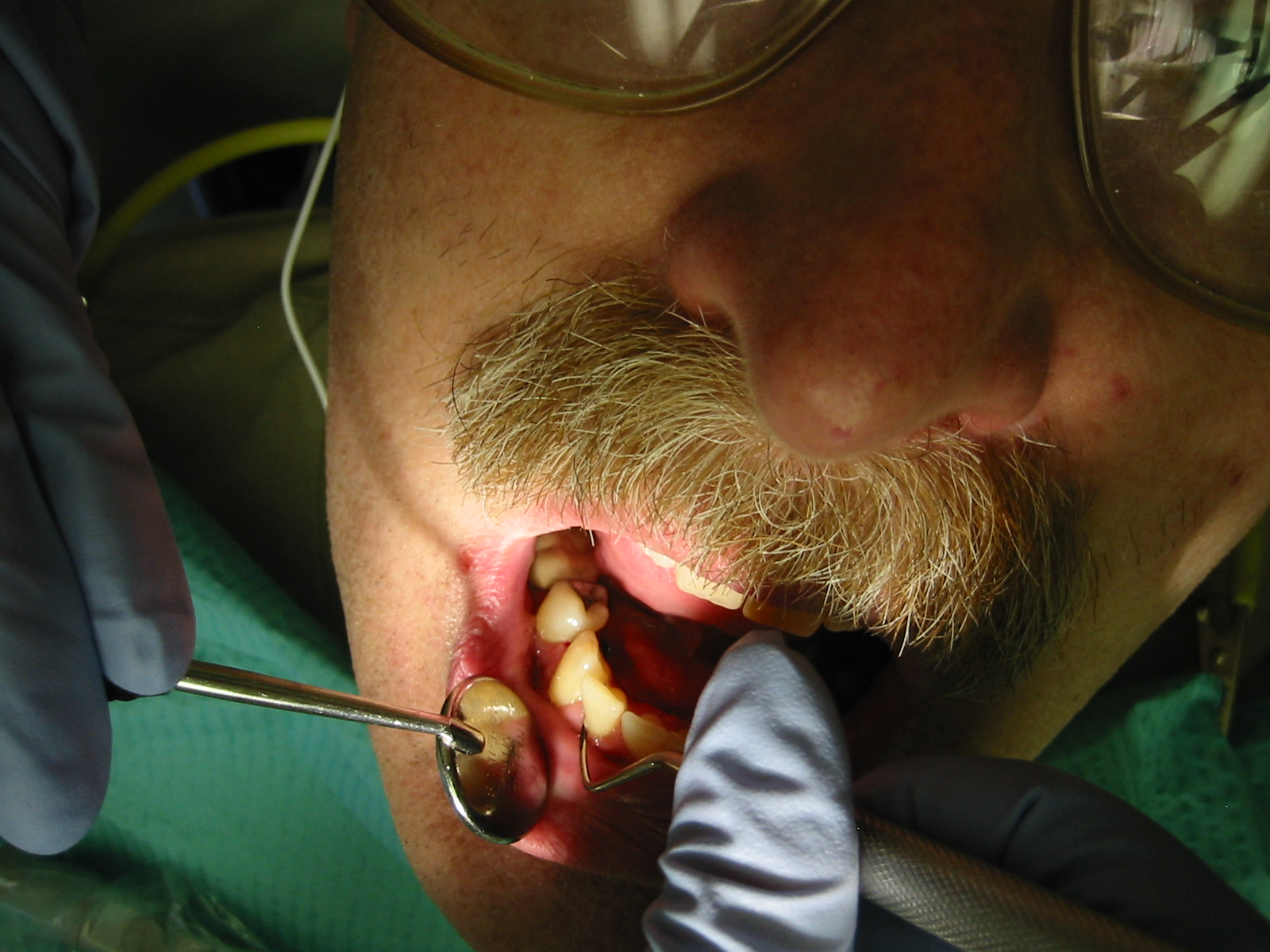
Patient safety in Switzerland is also protected by mandatory professional liability insurance and by the cantonal Commission de surveillance des professions de la sante, which investigates patient complaints and can sanction practitioners. These mechanisms are rarely invoked in practice because Swiss clinics tend to resolve disputes directly — but they exist as a meaningful backstop.
9. What to Expect at Your First Visit
A first consultation in a Geneva dental clinic is an information-gathering appointment, not a treatment session. Expect it to last 30 to 60 minutes and to follow roughly this flow:
- Registration. You will fill out a medical history (allergies, medications, systemic conditions) and sign a data-protection and billing consent form.
- Clinical examination. The dentist or hygienist checks each tooth, the gums, soft tissues and occlusion, and records a full dental chart.
- Imaging. Digital bite-wings and a panoramic X-ray are standard; a 3D CBCT scan is only taken if there is a specific indication (implant, impacted tooth).
- Discussion. The dentist explains what is healthy, what needs attention now, what can wait, and what is cosmetic. Take notes or ask for a written summary.
- Written estimate. Before any treatment above CHF 800, you should receive a signed devis itemising each procedure in Dentotar points and CHF.
- Billing. Most clinics bill you directly after the visit and let you submit the invoice to your complementary insurance. Some offer third-party billing if your insurer accepts it.
Practical tips
- Bring your Swiss residence permit and insurance card.
- Bring any previous X-rays and treatment records if you are transferring from another dentist.
- Ask about the point value the clinic applies — it is a legitimate and expected question.
- Do not be afraid to request the treatment plan in English and a second opinion for any work above CHF 2,000.
10. Frequently Asked Questions
Is dental care in Geneva covered by basic Swiss health insurance (LAMal)?
No. Swiss basic insurance (LAMal/KVG) does not cover routine dental care for adults. It only reimburses care that is required because of a serious, unavoidable illness of the chewing system or an accident. Check-ups, fillings, crowns, implants, whitening and orthodontics are all paid out of pocket unless you have a complementary dental policy.
How much does a standard dental check-up and cleaning cost in Geneva?
A professional hygiene session with a dental hygienist in Geneva typically starts from CHF 300, depending on duration (30 to 60 minutes) and whether check-up X-rays are included. Dental Clinic Geneva charges from CHF 300 for a full hygiene appointment and from CHF 300 for a consultation.
Why are dental prices in Switzerland higher than in France or Italy?
Swiss dental fees reflect three realities: high operating costs in Switzerland (rent, salaries, insurance), strict regulation of materials and sterilisation, and the use of the Dentotar point-based tariff set by the Swiss Dental Association (SSO). The base point value in Geneva is around CHF 1.00 to CHF 1.20, and every procedure is costed in points multiplied by that value, which keeps pricing consistent across accredited clinics.
Can I find a dentist in Geneva who speaks English?
Yes, easily. Geneva is home to the UN, WHO, WTO, CERN, ILO and hundreds of NGOs, so most dental clinics in the city centre and in expat neighbourhoods (Eaux-Vives, Champel, Grand-Saconnex, Cologny) have at least one English-speaking dentist. Many clinics advertise multilingual teams covering English, French, German, Italian, Spanish, Arabic and Russian.
What should I do if I have a dental emergency on a Sunday in Geneva?
Call a 7-day clinic first. Several Geneva practices, including Dental Clinic Geneva on Rue du Rhone 29, are open on Sundays for emergencies such as severe toothache, broken teeth, lost crowns or abscesses. If no clinic answers, call the cantonal dental emergency hotline or, for life-threatening situations (severe facial swelling with breathing difficulty, uncontrolled bleeding), call 144.
How much does a dental implant cost in Geneva in 2026?
A single dental implant with its crown in Geneva ranges from CHF 2,500 to CHF 4,500 in 2026 depending on brand (Straumann, Nobel Biocare, Bredent), whether bone grafting is required, and the material of the final crown (zirconia or metal-ceramic). A detailed written estimate is legally required for any treatment plan above CHF 800.
Do Geneva dentists offer payment plans?
Many do. For larger treatments (implants, full-mouth rehabilitation, Invisalign), clinics typically accept staged payments, direct reimbursement through your complementary insurance, or financing through partners. Always ask for the written cost estimate (devis) and payment options before treatment begins.
Are private Swiss dental clinics better than cantonal hospital dental services?
For routine and cosmetic care, private clinics generally offer shorter wait times, more flexible hours and better patient comfort. The University Dental Clinics of Geneva (CUMD) at HUG are excellent for complex cases, maxillo-facial surgery and specialist referrals, and they also treat financial hardship cases. Most expats choose private clinics for convenience and language.
Book an Appointment at Dental Clinic Geneva
Premium dental care in the heart of Geneva, on Rue du Rhone 29, since 1952. English-speaking team, 12+ specialists, transparent pricing, and emergency slots 7 days a week.
Rue du Rhone 29, 1204 Geneve, Switzerland · Open 7 days a week